Machined Springs
Integrated elasticity, machined from solid material.
Machined springs integrate the flexible section and mounting interfaces in one component. Define the required load curve, envelope and operating conditions before selecting a geometry.
Enquire about this product ↗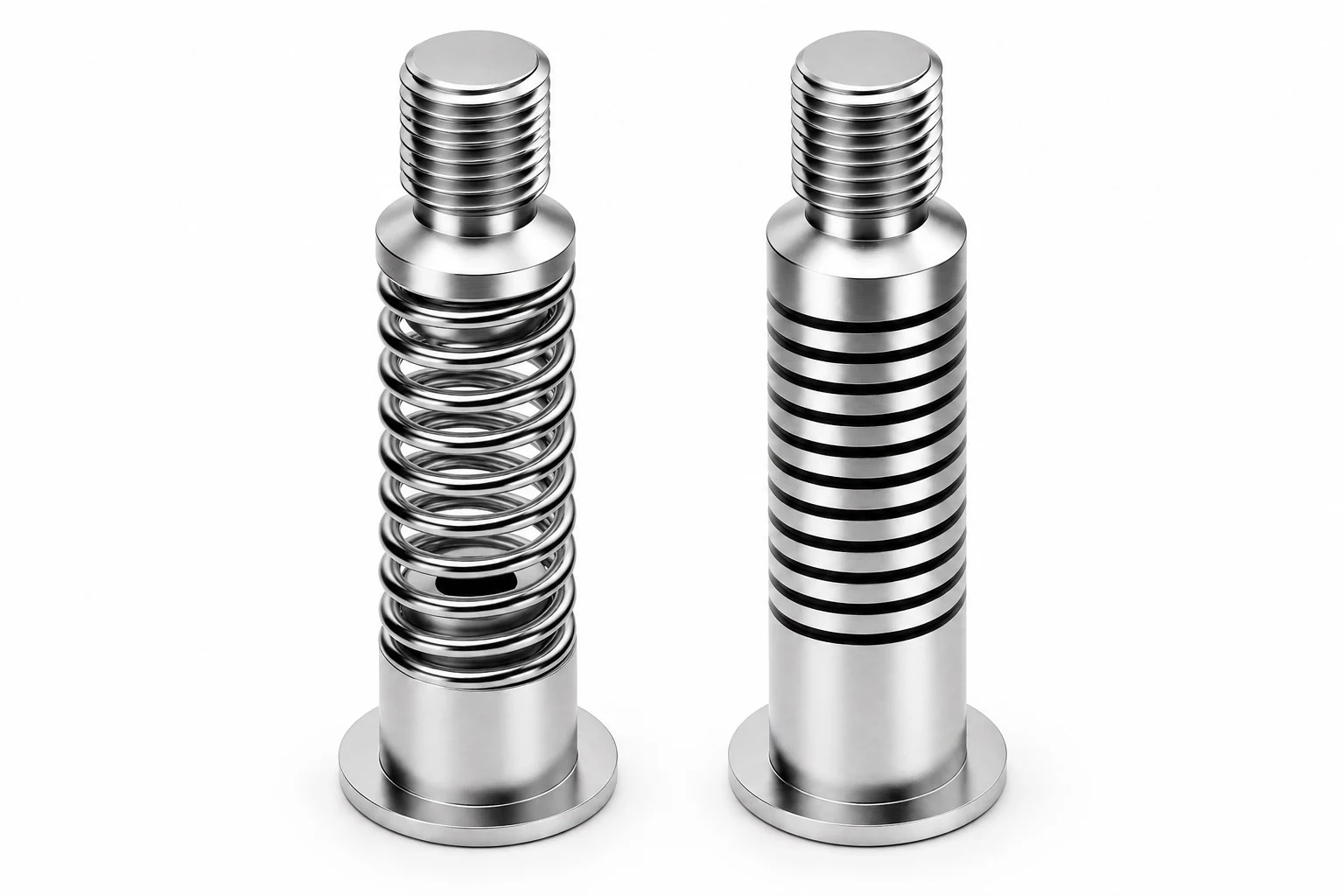
Machined Springs vs. Conventional Wire Springs
Precise rate control · Multi-start flexures · Integrated engineering
| Design aspect | Conventional wire spring | Precision machined spring |
|---|---|---|
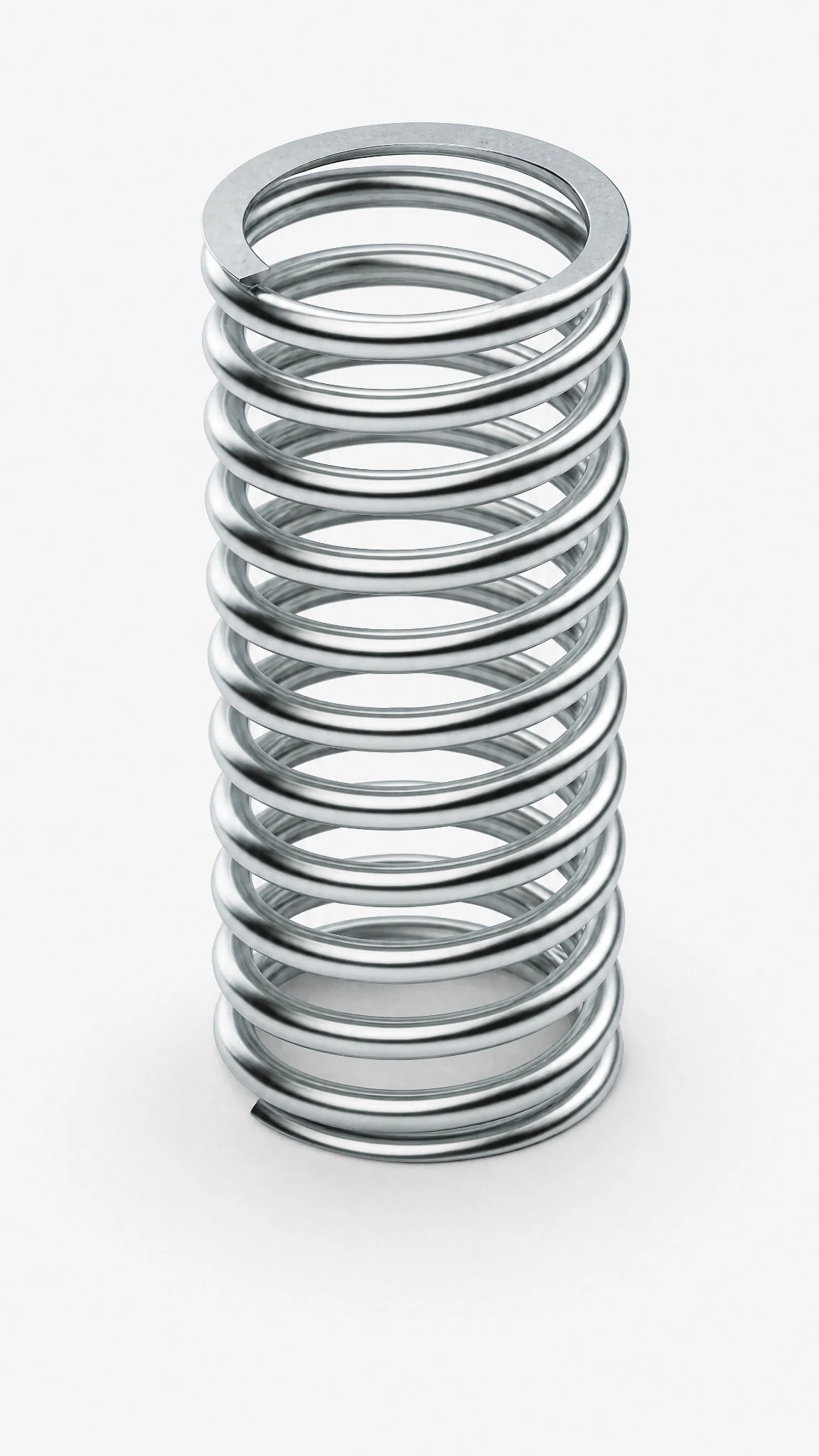
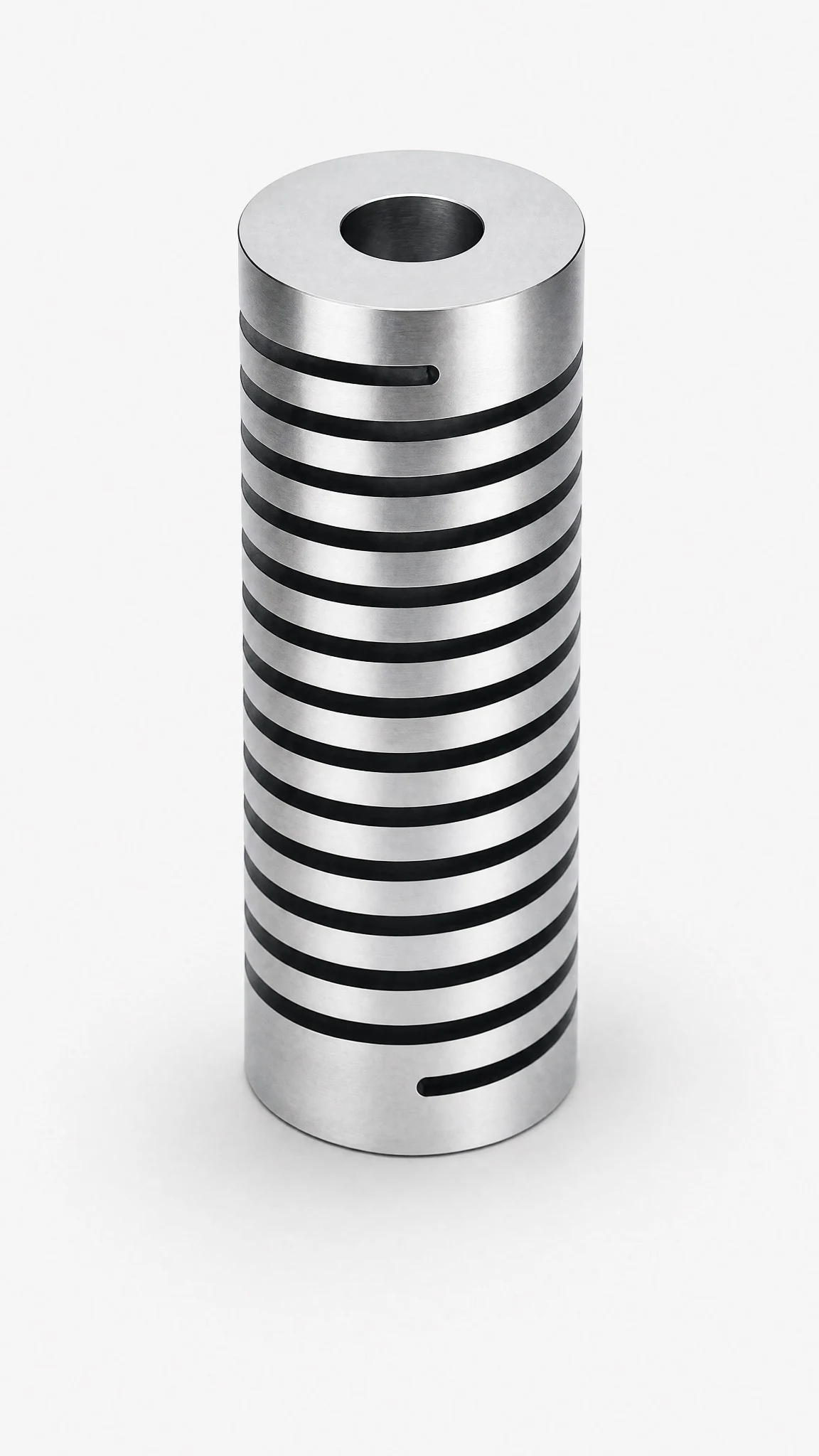
| Structure | Typically a wound-wire coil | Single-start, double-start and multi-start flexure designs |
| Manufacturing | Wire winding, setting, heat treatment and optional end grinding | Precision machined as an integral structure from bar or tube stock |
| Spring-rate tolerance | Subject to specification, process and measurement conditions | Standard spring-rate tolerance target ±5%; high-precision custom target ±1%; special projects may be assessed for ±0.1% |
| Rate repeatability | Influenced by wire diameter, coil geometry and heat treatment | Geometry and machining controls support consistent spring rates |
| Combined elastic functions | Typically optimized for individual compression, extension or torsion duties | Can combine compression, extension, torsion and bending responses |
| Residual stress | Winding may introduce forming stress requiring appropriate processing | No coil-winding stress; machining-induced residual stress still requires management |
| Materials | Mostly spring-grade wires suitable for winding | Stainless steels, nickel and cobalt alloys, titanium, aluminum and select polymers subject to review |
| Side load / end torque | Depend on coil geometry, end constraints and loading | Balanced multi-start geometries may reduce side load and end torque |
| End / mounting features | May need secondary grinding, mounting parts and guides | Precision end faces, pilots and attachment interfaces can be integrated |
| Functional integration | Flanges and connectors are commonly separate components | Threaded ends, flanges, mounting holes and flexures may be combined |
| Geometric customization | Wire size, coil count, pitch and end styles | Web thickness, slot geometry, multi-start beams and custom interfaces |
| Assembly | Multi-part designs add assembly interfaces | Monolithic designs can reduce parts and assembly interfaces |
Spring-rate tolerance capabilities: standard target ±5%, high-precision custom target ±1%, and special projects evaluated for ±0.1%, based on agreed load points, stroke and test conditions.
What do we need for selection?
Application areas
↗ Medical actuators
↗ Precision preload
↗ Vacuum and cryogenic mechanisms
Performance and suitability must be confirmed against the actual conditions and validation results.
Common questions
Can you support custom requirements?
Submit drawings or functional requirements for a review of material, geometry, quantity and inspection requirements.
How are price and lead time confirmed?
Provide sample quantities, production plans and target dates. Quotations are based on agreed technical requirements.
How do I provide drawings?
Submit your enquiry online, then email drawings with the returned enquiry reference.
Product information & technical support
Contact us for further product information, selection documents and technical support tailored to your product and application.
Contact for support ↗